




Choose Your Country or Region
Select a different country or region to view content tailored to your location.



Capital.com vs. Libertex
In the fast-paced world of forex trading, choosing the right broker is crucial. Capital.com and Libertex are two popular options, each with unique strengths and weaknesses. This comparison will dive into the key features of both platforms,helping you decide which one best suits your trading style and goals.
Regulations





Conditions
- Tight spreads
- Low minimum deposit
- Excellent education
- Well regulated
- Great platform choice
- Great customer support
- Limited account options
- Well regulated
- Great platform choice
- Great customer support


How Do Capital.com and Libertex Compare?
The radar chart above illustrates the comparison between Capital.com and Libertex across several key metrics, with the highest possible score being 100 in each category.
Helping You Choose the Right Broker
At FxScouts, our mission is to assist traders in finding the broker that best suits their needs. Comparing brokers side-by-side is an effective method to achieve this goal. We evaluated Capital.com and Libertex, using our standard criteria: trust and regulation, trading platforms, costs and trading conditions, and educational and market analysis resources.
Trust and Regulation
Trust and regulation are crucial when selecting a Forex broker. A broker’s credibility is largely built on its regulatory status. We spend considerable time verifying the safety of each broker by examining their regulatory licenses. We also consider numerous factors when deciding which tier a regulator belongs to. Regulators that we rank as the world’s top regulators, gets a tier 1 rank, while regulators who only scores a tier 5-rank, provide virtually no regulatory oversight. The more top-tier authorities regulating a broker, the higher its trust rating. Read more about regulation and our tier system here.
In our comparison:
- Capital.com holds three Tier 1 and one Tier 2 licences.
- Libertex holds one Tier 1 and no Tier 2 licences.
Based on these findings, Capital.com earned a higher trust rating than Libertex.
Is Capital.com financially regulated?
Yes Capital.com was founded in 2016 and is regulated by ASIC, CySEC, DFSA, FCA and SCB.Is Libertex financially regulated?
Yes Libertex was founded in 2012 and is regulated by CySEC.Trading Costs Comparison
When comparing brokers, trading costs are a significant factor. We consider the minimum deposit required to open an account and ongoing costs, including spreads and commissions. We measure the cost to trade one lot of EUR/USD using the broker’s account with the lowest minimum deposit, including both the spread and any commission charged.
We found that Capital.com has overall lower trading costs than Libertex.
Trading Platforms Offered
Trading Platforms Offered Traders prefer brokers that offer a variety of trading platforms. We rate brokers higher if they support multiple platforms like MetaTrader4, MetaTrader5, cTrader, and proprietary platforms.
- Capital.com supports MT4, MT5, Capital.com and TradingView
- Libertex supports MT4, MT5 and Libertex
Copy Trading Availability
Copy trading is beneficial for beginner traders or those unable to trade full-time. In this case both Capital.com and Libertex offer copy trading.
Range of Trading Instruments
A broader range of CFD instruments provides more trading opportunities. Capital.com offers a greater variety of instruments compared to Libertex:
- Capital.com: 125 Forex pairs.
- Libertex: 49 Forex pairs.
Cryptocurrency Trading
For those interested in trading cryptocurrencies, Capital.com offers 570 cryptocurrencies, while Libertex offers 41 cryptocurrencies. Therefore, Capital.com is the better choice for cryptocurrency trading.
Deposit and Withdrawal Processes
Traders prefer brokers with quick and cost-effective deposit and withdrawal processes. We favor brokers that process withdrawals within 24 hours using multiple methods without charging fees.We found that Libertex charges a withdrawal fee and Capital.com does not. Overall, Capital.com has better deposit and withdrawal processes than Libertex.
Educational Support?
We often find that brokers offer very little in the way of educational materials, forcing traders to use other third-party sites or self-educate elsewhere. Beginner traders need well-structured, well-presented materials in multiple formats to get a good start at trading. More experienced traders also benefit from webinars led by experts in the field and advanced trading strategy sections with new trading ideas.
Capital.com has better educational support than Libertex. Both Capital.com and Libertex offer educational support for more experienced traders.Market Analysis Materials
Access to frequent and high-quality market research and analysis is crucial.
We found that Capital.com offers better research analysis than Libertex and that both Capital.com and Libertex offer frequent webinars.
Overall Verdict
- Capital.com:
With one of the lowest-cost trading environments in the industry and a large number of tradable assets, Capital.com provides a welcoming environment for both beginners and professional traders looking for a new MT4 broker.
A well-regulated broker, Capital.com offers trading on an extensive range of tradable instruments, including over 120 Forex pairs, over 2,700 share CFDs, 22 indices, 19 commodities, and 20 cryptocurrencies.
Although Capital.com only offers one trading account its trading costs are significantly lower than average, with spreads starting at 0.60 pips on the EUR/USD and no commission. Additionally, no fees are charged for deposits, withdrawals, or on inactive accounts. Unlike other brokers, Capital.com charges swap fees based only on the leverage provided rather than the trading position’s entire value. This is a welcome development in an industry where extra fees are charged on most transactions.
Trading is offered on MT4 and Capital.com’s award-winning proprietary web platform, and customer service is available 24/7 to help with any technical queries. Notable is Capital.com’s world-class educational and market analysis section, providing exceptional value for beginner and experienced traders alike.
One drawback is the lack of technical and fundamental analysis tools on offer. Most other brokers offer tools like Autochartist, Trading Central, and free VPS services, to help traders make better trading decisions.
- Libertex:
Overall Ratings
- Capital.com: 4.78
- Libertex: 3.54
For more detailed reviews, please read our comprehensive assessments of Capital.com and Libertex.












Select another broker to another broker to compare features, fees, and platforms side by side.
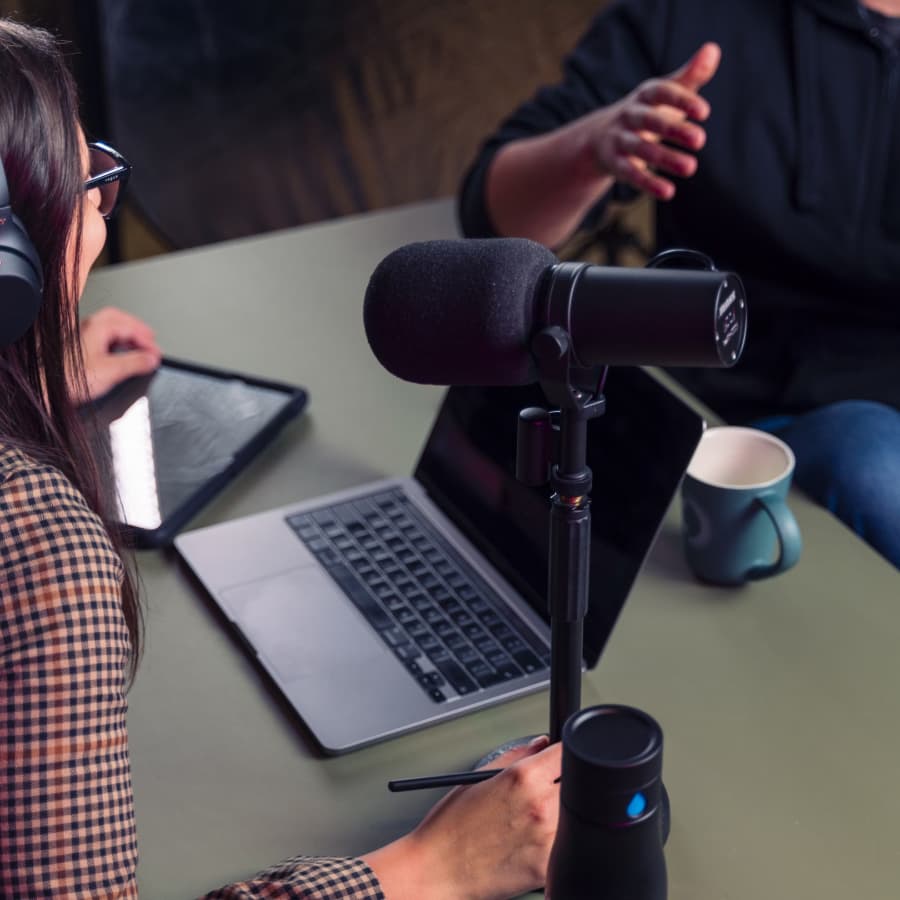
Let's Talk Forex with Alison & Chris
Alison and Chris cover a range of topics, including how to choose a Forex broker, safety and regulation, how to reduce your risk, trading psychology, trading platforms, and trading strategies, among others.
The FxScouts podcast helps beginner Forex traders get the best start to their trading careers.
Our broker ratings are derived from rigorous testing by industry experts and experienced traders. We thoroughly evaluate regulatory compliance, security, transparency, trading performance, and customer service. We never accept payment for higher scores, ensuring our ratings remain unbiased, factual, and trustworthy—so you can confidently choose a reliable broker for your financial safety and trading success.
For detailed information about our testing methodology click here.